- Home
- Collections
- Premium Bonsai Trees
Premium Bonsai Trees
Browse Bonsaii’s premium range: mature specimens, rare stock and collector‑grade trees with premium pots and bespoke presentation. Each tree is vetted for trunk development, nebari and branch structure.
Find Your Perfect Miniature Masterpiece

Premium Bonsai: Top Picks and Care Guide
Explore Bonsaii’s premium bonsai handbook: how to select high-quality, gallery-ready bonsai, how to care for prized specimens, repotting and styling techniques, display and insurance-ready preparation, plus our recommended premium trees and collector kits. Whether you’re building a serious collection or choosing a statement specimen for your home, this guide outlines exactly what makes a bonsai “premium” and how to preserve its value and beauty.


Why choose Bonsaii for Premium Bonsai
- Curated maturity: We source trees with proven age, exceptional trunk lines and balanced branch architecture, suitable for collectors and exhibition.
- Conservation-first procurement: Our premium stock is grown or trained ethically, with clear provenance and sustainable nursery practices.
- Bespoke presentation: Each premium tree is paired with a high-quality ceramic pot, professionally styled and shipped with a care dossier.
- Ongoing stewardship: Owners receive seasonal care plans, expert aftercare support and valuation advice to protect aesthetic and market value.

What makes a bonsai “premium”?
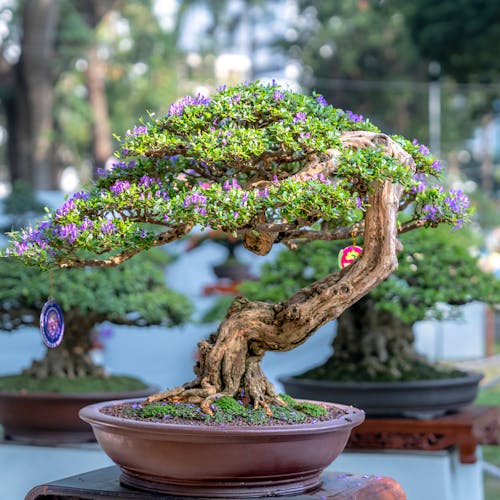
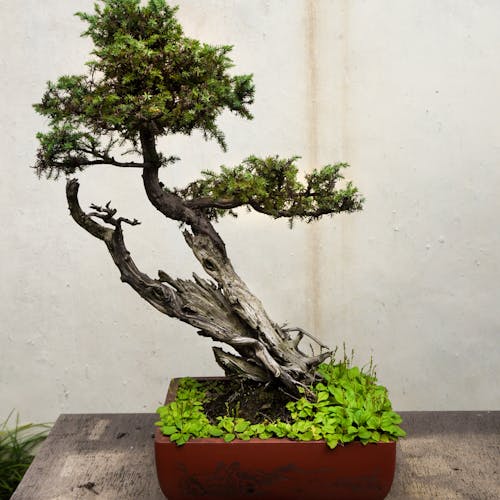
A premium bonsai shows advanced development: well-defined trunk taper, visible and even nebari, mature bark texture, refined branch distribution and healthy leaf or needle density. Age, training history and artistic intent matter: premium specimens should display clear style, proportion and a front-facing composition. Provenance, health records and appropriate container pairing also contribute to a tree’s premium status.


Selecting the best premium bonsai for your collection
- Assessing quality: Look for strong trunk movement, exposed root flare (nebari), and balanced branch pads. Inspect for vigour: healthy foliage, active growth and no chronic pest issues.
- Style & aesthetic: Choose specimens that match your collection’s theme — formal upright, informal upright, windswept or cascade. The tree’s silhouette should read well from the intended front view.
- Investment considerations: Rarer species, older training and exceptional nebari increase collector value. Request provenance and nursery history for high-value purchases.
- Display size: Decide whether the tree will be a focal centrepiece on a stand or part of a grouped display. Mature, premium bonsai often command stands or dedicated display areas.

Positioning, presentation & environment for premium bonsai
- Light & airflow: Place premium specimens where they receive species-appropriate light and good air circulation to maintain health and reduce pest risk.
- Display considerations: Use elevated stands, museum-style lighting and neutral backdrops to showcase silhouette, trunk detail and nebari.
- Climate control: For valuable tropical or subtropical specimens, stable temperature and humidity control prolong vigour — consider a dedicated plant room or conservatory.
- Security & insurance: For high-value trees, document provenance, photograph condition and consider specialist insurance or a valuation certificate.
Feeding, repotting & long-term health for premium bonsai
- Feeding: Use calibrated liquid or slow-release fertilisers tailored to species and season. Premium trees benefit from measured nutrients to support mature root systems and foliage quality.
- Soil & drainage: Choose high-grade bonsai substrate with appropriate particle size for the species; correct drainage protects delicate root systems in mature specimens.
- Repotting: Mature specimens require careful root pruning and often less frequent repotting (every 3–7 years) using specialist techniques to preserve stability and nebari.
- Health checks: Regularly assess for pests and disease; early detection and professional intervention prevent long-term damage.

Pruning, wiring & styling at a premium level
- Major structural changes: For premium trees, limit radical re-styling. Major cuts are best made during correct seasonal windows and sometimes under expert supervision.
- Fine maintenance: Precise maintenance pruning and shoot management preserve refinement and ramification. Use magnified inspection to manage twig-level balance.
- Wiring & protection: Wire with care, using padding where necessary; premium bark requires extra vigilance to avoid scarring. Remove wire promptly once the branch sets.
- Styling philosophy: Work with the tree’s natural strengths; aim to enhance character rather than impose dramatic alterations.
Alternative displays and staging for premium bonsai
- Exhibition mounts: Present premium trees on gallery-style stands with subdued mats and directional lighting for shows and private viewings.
- Seasonal staging: Rotate specimen placement for best seasonal interest — spring blooms, summer growth, autumn colour and winter bark reveal.
- Companion plantings: Pair bonsai with accent plants (kusamono) or suiseki stones to complement composition and enhance storytelling.

Transport, storage and provenance for high-value bonsai
- Safe transit: Use purpose-built crates and foam supports; maintain stable moisture and protect from temperature extremes during shipping.
- Short-term storage: Keep specimens in a cool, well-lit, humid space; avoid prolonged indoor heat and drying conditions.
- Documentation: Maintain a care dossier, photographic record and provenance paperwork. For very high-value specimens, consider professional appraisals and formal documentation.
To Sum Up
Choose Bonsaii for premium bonsai specimens, curated presentation and expert aftercare. Whether you’re a serious collector or selecting an heirloom-quality centrepiece, our premium range, bespoke kits and stewardship guidance protect both beauty and value. Unsure which specimen to choose? Order a viewing appointment or request a personalised consultation to match a premium bonsai to your space and ambitions.
Bonsaii : Premium, Ethically Grown Bonsai Trees & Gifts
Small trees, lasting beauty
REGULARLY ASKED QUESTIONS
Frequently Asked Questions
We have put together some commonly asked questions
What defines a premium bonsai?
A premium bonsai is a mature, well‑trained specimen with strong trunk lines, visible nebari, fine branch distribution and proven provenance. Health, aesthetics and age define premium status.
Which premium bonsai species are most sought-after?
Which premium bonsai species are most sought-after? Japanese Maple, Juniper, Pine and Elm are consistently prized for their maturity potential, aesthetic range and collector demand.
How should I transport a premium bonsai?
Use professional packing with crate supports, maintain root moisture and avoid extreme temperatures in transit. Consider insured courier services for high-value trees.
How often should a premium bonsai be repotted?
Repotting frequency varies with species and pot size; mature trees typically need repotting every 3–7 years, performed carefully to preserve root structure.
Can I display a premium bonsai indoors?
Some premium tropical specimens suit short indoor display, but many are outdoor species needing seasonal cycles; use climate‑controlled spaces and monitor humidity closely.
Need insurance or documentation for premium bonsai?
High-value specimens benefit from professional valuations and documented provenance; insurance is advisable for significant collections or exhibition pieces.
Join the journey
Sign up for a newsletter worth reading