- Home
- Collections
- Indoor Bonsai Trees
Indoor Bonsai Trees
Shop Bonsaii’s best indoor bonsai trees and starter kits. Our curated selection includes beginner-friendly species, premium pots and essential tools - all chosen for ease of care and aesthetic impact.
Find Your Perfect Miniature Masterpiece
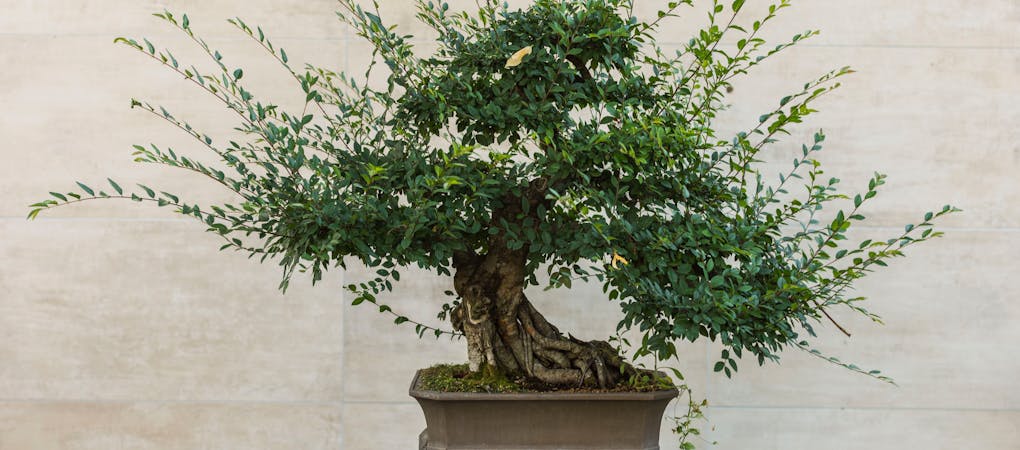
Indoor Bonsai: Top Picks and Care Guide
Discover Bonsaii’s expert guide to indoor bonsai: how to choose the best indoor bonsai trees, essential care routines, potting and pruning advice, lighting and humidity tips, plus our recommended plants, starter kits and tools. Whether you’re new to bonsai or seeking an easy-to-maintain specimen for your home or office, this page will help you find and care for a healthy, beautiful indoor bonsai.


Why choose Bonsaii for Indoor Bonsai
- Expert selection: We choose species proven to thrive indoors with stable light and temperature, ideal for home and office settings.
- Ready-to-grow: Trees arrive potted, pruned and acclimatised with clear care instructions to help you succeed.
- Quality supplies: From well-draining bonsai soil to handcrafted pots and precision tools, we supply everything you need to keep your indoor bonsai healthy.
- Care support: Access our plant care guides, video tutorials and responsive customer support for personalised advice.

Choosing the best indoor bonsai for you
- Species selection: For low-maintenance indoor bonsai, choose Ficus, Jade, Serissa or Schefflera. Chinese Elm can also work indoors in bright spots. Each species offers distinct foliage and styling potential — we label trees by difficulty and care needs.
- Size & style: Consider table bonsai (20–40 cm) for desks and shelves, or slightly larger specimens for stands. Pre-styled trees help beginners start with a pleasing silhouette.
- Light requirements: Match the tree to your available light. Place bright-light species near windows with indirect sun; low-light tolerant species can sit further in the room.
- Purpose: Choose an expressive, sculptural tree for display or a forgiving, resilient species if you travel frequently.


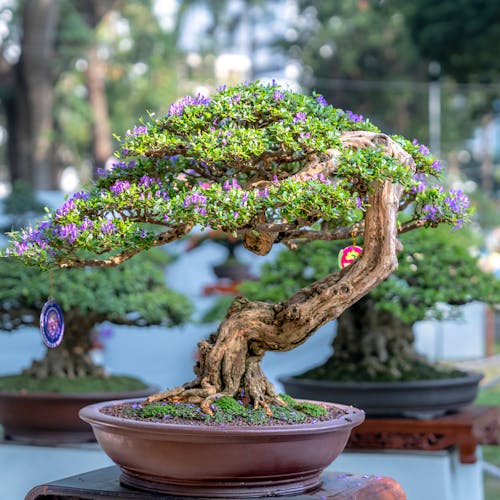
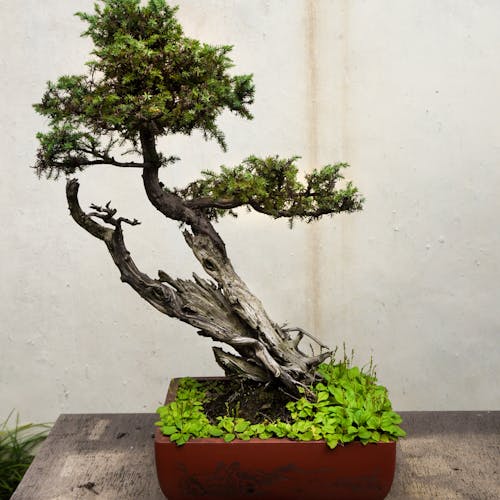
What is an indoor bonsai?
Indoor bonsai are miniature trees adapted to live inside homes, offices or conservatories. Many are tropical or subtropical species that tolerate stable indoor temperatures and lower light than outdoor varieties. An indoor bonsai is defined by bonsai technique — pruning, wiring, potting and shaping — rather than tree species. Proper light, humidity and consistent watering produce a small, mature-looking tree that fits indoors.
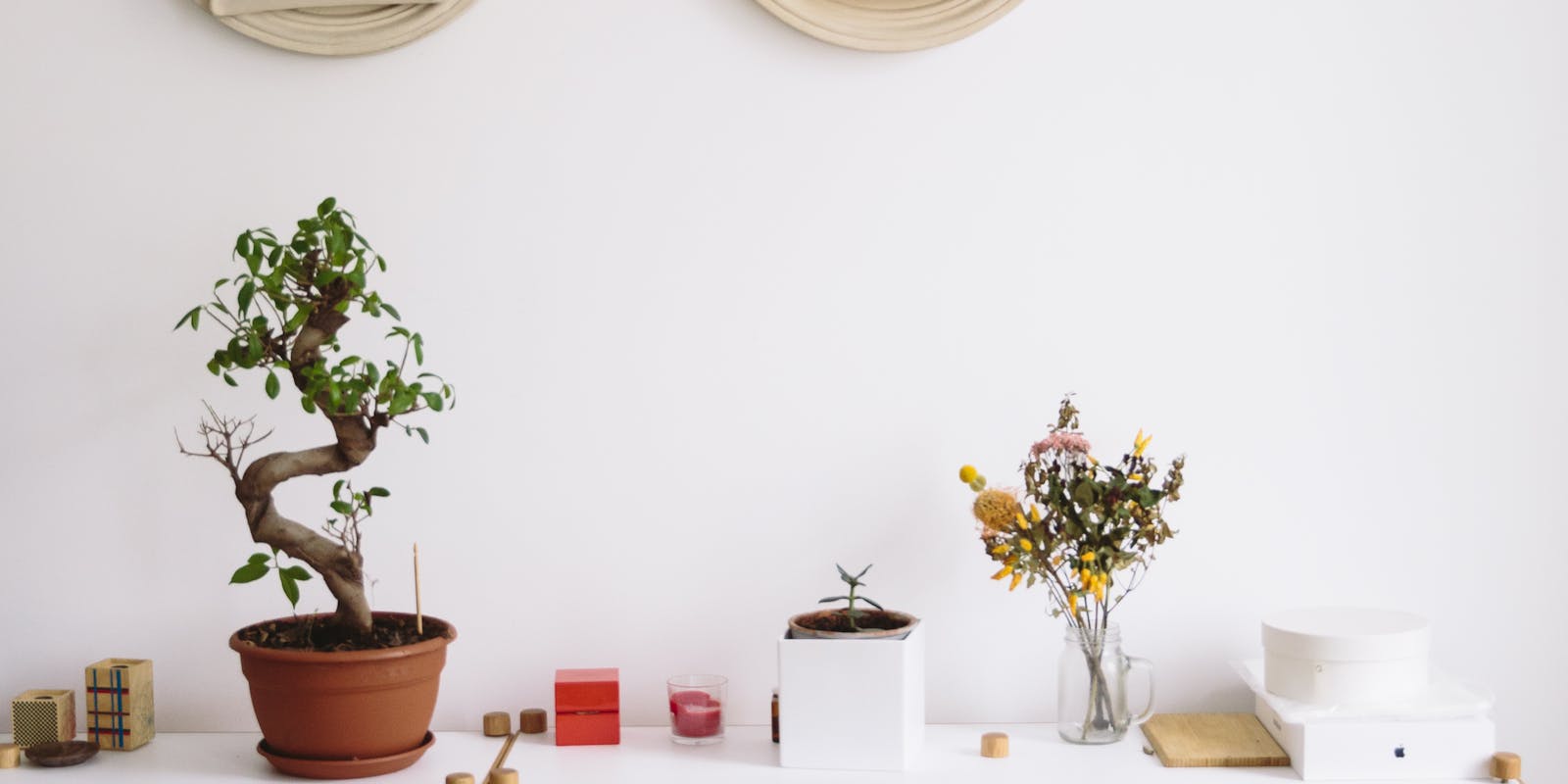
Light, placement & environment for indoor bonsai
- Natural light: Aim for a bright, indirect light source. South or west-facing windows with a sheer curtain are ideal for many indoor bonsai.
- Supplementary light: Use LED grow lights when natural light is insufficient. Position the light 30–60 cm above the foliage and run for 10–14 hours daily as needed.
- Temperature: Maintain stable indoor temperatures — most indoor bonsai prefer 15–25°C. Avoid radiators, air vents and cold draughts.
- Humidity: Indoor heating dries air; increase humidity using pebble trays, room humidifiers or grouping plants.
Watering, feeding & soil
- Watering: Check soil moisture daily for small pots. Water thoroughly until water drains from the pot base; avoid waterlogged soil.
- Soil mix: Use a well-draining bonsai mix with good aeration. Bonsaii’s indoor blend balances moisture retention with drainage.
- Feeding: Feed lightly during the growing season with a balanced bonsai fertiliser. Reduce feeding in late autumn and winter for most species.
- Repotting: Repot every 2–4 years to refresh soil and prune roots. Younger trees require more frequent repotting.

Pruning, wiring & styling basics
- Structural pruning: Remove large branches in winter or the tree’s dormancy period (species dependent) to define shape.
- Maintenance pruning: Trim new shoots to maintain proportion and encourage ramification.
- Wiring: Use aluminium or annealed copper wire to shape branches. Wire for short periods and check regularly to avoid scarring.
- Styling tips: Work gradually — make small adjustments over months or years. Aim for balance, taper and an appealing front view.
Alternative displays and devices for indoor bonsai
- Terraces & shelves: Display on dedicated stands or shelves to elevate the bonsai and control microclimate.
- Grouping: Create display groups (bonsai and companion plants) to increase humidity and visual interest.
- Terrariums & dish gardens: Use for small succulent bonsai like Jade for a low-maintenance display.

How to store and transport indoor bonsai
- Short moves: Keep soil slightly moist and avoid extremes of temperature; shield from direct sun during transit.
- Longer storage: Maintain moderate humidity and light; a cool, frost-free spot is best if the species tolerates cooler temps.
- Shipping: We pack trees to protect roots and branches; follow our unpacking and acclimatisation checklist on arrival.
To Sum Up
Shop Bonsaii for the best indoor bonsai trees, starter kits and care essentials. Whether you’re buying your first tree or expanding a collection, our curated selection and step-by-step care resources make indoor bonsai rewarding. Not sure where to start? Try our beginner starter kit or sampler trio to find the right species for your home.
Bonsaii : Premium, Ethically Grown Bonsai Trees & Gifts
Small trees, lasting beauty
REGULARLY ASKED QUESTIONS
Frequently Asked Questions
We have put together some commonly asked questions
What is an indoor bonsai?
Indoor bonsai are miniature trees for indoors. They suit species that tolerate stable conditions and need watering, pruning and light.
Which indoor bonsai is best for beginners?
Ficus Ginseng, Jade (Crassula) and Schefflera are excellent beginner species due to forgiving water needs and resilience indoors.
Should I buy a whole potted bonsai or a kit?
For most beginners, a ready-potted bonsai with a starter kit is best — it reduces setup steps and includes tailored care instructions.
How much light does an indoor bonsai need?
Most indoor bonsai need bright, indirect light. Use an LED grow light if natural light is inadequate.
How often should I water my indoor bonsai?
Check soil daily; water thoroughly when the top soil feels slightly dry. Frequency depends on pot size, soil and room conditions.
Can I grow a bonsai on my desk or office?
Yes. Choose a compact, low-maintenance species and place it near a light source. A pebble tray or small humidifier helps in dry office air.
Join the journey
Sign up for a newsletter worth reading