Bonsai Tree Care
Explore Bonsaii’s care resources: step‑by‑step videos, practical how‑tos and specialist articles on repotting, winter prep, indoor vs outdoor care, soil choice and beginner species.
Find Your Perfect Miniature Masterpiece

Bonsai Tree Care Guide - Tips & Routines
Welcome to Bonsaii’s complete care guide. Whether starting a collection or tending a mature specimen, this resource covers season‑by‑season care, potting and soil advice, watering technique, pruning and wiring basics, pest management and specialised how‑tos. Clear steps, troubleshooting tips and recommended products help every owner keep bonsai vigorous and beautiful.


Video & tutorial highlights
- Our YouTube Bonsai Videos — Watch practical demonstrations and follow-along tutorials for potting, wiring and styling. Find out more
- Repotting Bonsai Trees — Theory and practical walkthroughs to repot with confidence. Find out more
- Kyodama Bonsai Soil — What it is, why it matters and how to use specialist substrates. Find out more
- Bonsai Trees in Winter — Seasonal preparation to protect roots and structure during cold months. Find out more
- Indoor Bonsai Care — Tailored advice for tropical and indoor-friendly species. Find out more
- Buying Indoor Bonsai in Autumn & Winter — Timing tips to choose healthy stock in cooler months. Find out more

Quick reference: essential care topics
- How to water a bonsai tree correctly — Techniques to avoid over- or under-watering. Find out more
- Pruning deciduous bonsai in autumn — When and how to prune for next season’s growth. Find out more
- Winter pruning of bonsai trees — Timing and approach for colder months. Find out more
- How to wire bonsai trees — Proper wiring methods to shape branches safely. Find out more
- Which bonsai are easiest to grow — Top beginner species and why they’re forgiving. Find out more


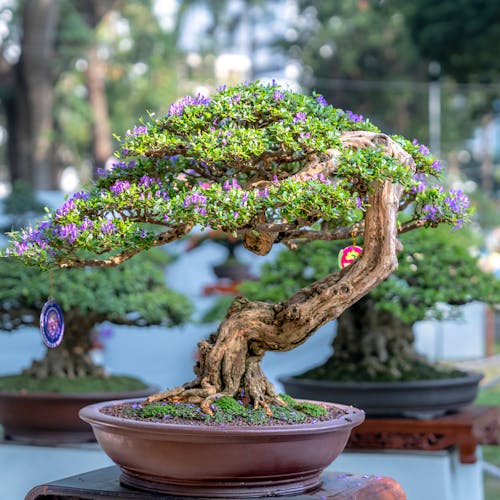
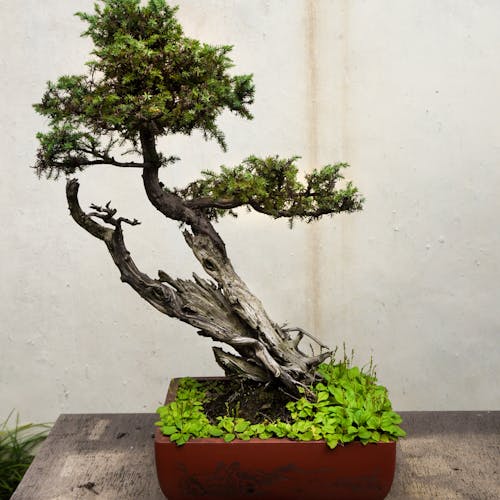
What is a bonsai tree?
A bonsai is a living, trained tree presented in miniature form for artistic appreciation. Bonsai are created through root and branch management, pruning, wiring, pot selection and seasonal care. They’re not a species but a horticultural practice; any suitable woody plant can be trained as a bonsai with the right techniques.

Soil, substrate & why it matters
- Bonsai soil types: Use free-draining, aerated mixes appropriate to species — common components include akadama, pumice, lava rock and horticultural grit.
- Indoor vs outdoor mixes: Indoor bonsai often need mixes that retain slightly more moisture; outdoor mixes favour fast drainage to protect roots in wet weather.
- Kyodama & specialist substrates: Premium substrates improve root health and encourage balanced moisture retention — our soil guides explain blends for different trees. Find out more
Watering best practice
- Check, don’t schedule: Water when the top layer of soil begins to feel slightly dry; small pots dry faster and need more frequent checks.
- Technique: Water thoroughly until it drains from the pot base, ensuring the whole root mass is wetted.
- Seasonal variation: Increase frequency during hot, windy weather; reduce in winter when growth slows. Avoid prolonged waterlogging to prevent root rot.

Repotting: timing and steps
- When to repot: Young trees typically every 1–3 years; mature specimens less often (every 3–7 years) depending on root development and pot size.
- Best time: Repot in species-appropriate windows—early spring is standard for many temperate species, when buds are swelling but before active shoot growth.
- Practical steps: Remove carefully, prune back roots as needed, refresh substrate and settle the tree at the correct depth. Follow our repotting practical guide for full procedure. Find out more
Pruning, wiring & shaping
- Structural vs maintenance pruning: Major structural cuts are scheduled when the tree is least active; maintenance pruning is ongoing to refine silhouette and encourage ramification.
- Wiring basics: Choose correct wire gauge and wrap without constricting; check regularly and remove once the branch holds shape.
- Styling progression: Develop a tree gradually — avoid drastic changes on premium specimens and document each stage for long-term planning.

Seasonal care: spring, summer, autumn, winter
- Spring: Growth phase — increase watering, begin feeding and perform structural pruning and repotting as needed.
- Summer: Watch for heat stress and increased watering needs; monitor pests and provide shade during intense sun.
- Autumn: Reduce feeding, prepare for dormancy in outdoor species, and perform autumnal pruning where appropriate.
- Winter: Protect tender species from frost, reduce watering, and use sheltering techniques (mulch, frost cloths, sheltered benches) for potted trees. See winter-specific guides. Find out more
Pests, diseases & troubleshooting
- Common pests: Aphids, scale, spider mites and vine weevil can affect bonsai. Early detection and targeted treatment preserve health.
- Fungal issues: Overwatering and poor airflow cause root rot and leaf fungi — improve drainage and increase ventilation.
- Troubleshooting checklist: Discoloured leaves, excessive leaf drop, slowed growth—follow our diagnostic flowchart for likely causes and remedies.

Specialist topics & advanced techniques
- Training from seedlings and yamadori (field-collected trees): Timing, root work and ethical sourcing considerations for collectors.
- Bonsai seed kits and propagation: Starting from seed and early-stage wiring/pruning for long-term development. Find out more
- Bonsai in a rolling boil (sanitisation and root treatment)—advanced root care methods. Find out more
- Transitioning bonsai outdoors: How to harden indoor trees for outdoor life and vice versa. Find out more
Tools, accessories & recommended products
- Starter tools: Basic shears, concave cutters, root rake and wire — our starter kit is ideal for new collectors.
- Substrates & fertilisers: Species-appropriate mixes and balanced feeds to support year-round health.
- Display & climate equipment: Humidity trays, grow lights for indoor specimens and winter wraps for outdoor pots.

How to start and grow your bonsai collection
- Choosing first trees: Start with forgiving species and small pre-styled specimens to learn watering, pruning and wiring.
- Scaling up: Add variety in age and style as your confidence grows; document care routines and seasonal tasks.
- Community learning: Join workshops, follow video tutorials and seek local club advice for region-specific care. Find out more
Care galleries & case studies
- Repotting theory and practice — step-by-step demonstrations from All Things Bonsai. Find out more
- Practical examples — seasonal work on black pine, deciduous maples and established outdoor collections. Find out more
- Time and bonsai trees — how patient progression shapes mature specimens. Find out more
To Sum Up
Bonsaii’s bonsai tree care resources bring practical, experience-driven advice for every stage of ownership. From watering technique and substrate choice to seasonal programmes and advanced styling, our guides and videos are designed to help both new and experienced growers keep bonsai healthy and expressive.
Bonsaii : Premium, Ethically Grown Bonsai Trees & Gifts
Small trees, lasting beauty
REGULARLY ASKED QUESTIONS
Frequently Asked Questions
We have put together some commonly asked questions
What is the best soil for bonsai?
A well-draining, aerated mix tailored to your species is ideal; blends of akadama, pumice and grit suit many temperate bonsai, while indoor mixes retain slightly more moisture.
How often should I water my bonsai?
Check small pots daily and water thoroughly when the top layer feels slightly dry; frequency varies with species, pot size and environmental conditions.
When should I repot my bonsai?
Young trees: every 1–3 years. Mature trees: every 3–7 years depending on root health and pot constraints. Early spring is usually best for repotting temperate species.
Can I keep bonsai indoors?
Some species tolerate indoor conditions, but many bonsai are outdoor plants that need seasonal cycles. Choose indoor-suitable species and provide adequate light and humidity.
Are bonsai trees hard to care for?
Bonsai need regular, attentive care—consistent watering, proper light, pruning, wiring, and occasional repotting—but aren't hard if you learn the basics and choose a species suited to your experience.
Are bonsai plants easy to care for?
Bonsai aren’t inherently harder to care for than other potted plants — but a few common problems make them seem so. With the right species, soil and routines they’re quite manageable.
Join the journey
Sign up for a newsletter worth reading