Which Bonsai Is Best for Beginners?

8 Easy Bonsai Trees + Care Tips
Choosing the best bonsai for beginners depends less on a single “best” species and more on where you plan to grow the tree and how you manage watering and light. Many newcomers are tempted to keep bonsai indoors, but most tree species thrive outdoors where they get fresh air, natural light and seasonal changes. That said, a small group of species are forgiving, adaptable and well-suited to beginners, whether kept indoors temporarily or raised outside in the garden. In this guide we’ll explain the best beginner bonsai species, why each one makes a good starter tree, basic care and styling tips, and how to pick the right plant for your lifestyle and climate.


How to choose the best bonsai for your situation
Consider location first
- Indoor vs outdoor: pros and cons
- Light levels: bright windowsill vs shaded room
- Temperature and humidity: indoor radiators, drafts and summer heat
Consider your availability and watering routine
- Daily checker vs weekend-only care
- Soil and pot size affect how quickly a bonsai dries out
Consider your climate and hardiness zones (UK focus)
- Which species tolerate frost and cooler summers
- Use outdoor sheltering for potted trees in deep winter
Consider the look you want and how much styling you want to do
- Small leaves/scale foliage look more natural at bonsai scale
- Growth vigour: some species respond quickly to pruning (good for learning)
Budget and availability
- Starter bonsai cost-effectiveness: Chinese elm, cotoneaster, small junipers and Portulacaria tend to be affordable
Final decision process: match species to location + your time + desired style

Best bonsai for beginners: 8 recommended species
1. Ficus (Ficus retusa / Ficus benjamina)
- Description: evergreen tropical tree, sometimes with aerial roots; glossy leaves.
- Why good for beginners: tolerant of indoor conditions, forgiving of irregular watering, flexible branches for wiring.
- Best for: indoor or greenhouse; bright spot near a window, avoid cold draughts.
- Care: moderate watering, well-draining soil; increase humidity with pebble tray or occasional misting.
- Styling: wire while young; prune to encourage ramification; watch for leaf drop when moved.
- Common issues: pests (scale, mealybug), sudden leaf drop after relocation.
- Quick tip: acclimatise slowly when moving between indoors and outdoors.


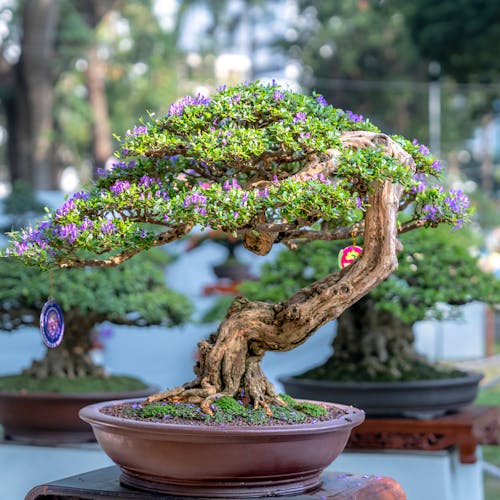
2. Chinese Elm (Ulmus parvifolia)
- Description: semi-deciduous/semievergreen, small leaves and vigorous growth.
- Why good for beginners: hardy outdoors, tolerates pruning well, puts out new shoots readily.
- Best for: outdoor with some shelter; can be indoors short-term but prefers outdoors in warmer months.
- Care: regular pruning for shape, feed in spring/summer, protect from prolonged frost.
- Styling: great bonsai-training species; responds quickly to wiring and clipping.
- Common issues: overwatering for indoor specimens.
- Quick tip: let leaves harden outdoors to develop ramification.

3. Portulacaria afra (Small Leaf Jade / Dwarf Jade)
- Description: succulent shrub with small oval leaves; tolerant of dry conditions.
- Why good for beginners: highly drought-tolerant, good for indoor culture, fast response to training.
- Best for: indoor or greenhouse; bright light required.
- Care: sparse watering, free-draining mix, protect from frost.
- Styling: easy to chop and regrow; good for informal, deciduous or thick-trunk styles.
- Common issues: root rot if overwatered; leggy growth in low light.
- Quick tip: give plenty of light to keep leaves small.
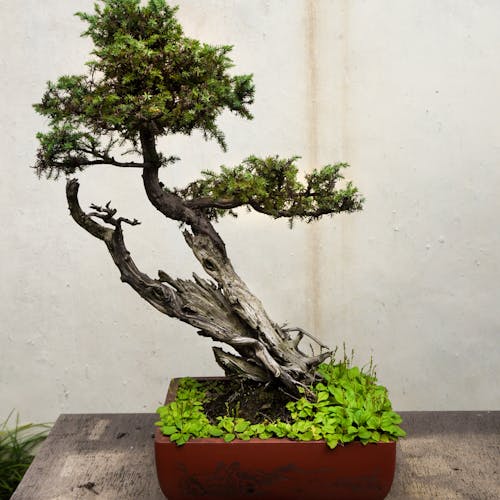
4. Juniper (Juniperus species)
- Description: classic evergreen bonsai with scale-like foliage; often used in informal and literati styles.
- Why good for beginners: attractive foliage that mimics full-size trees, tolerant of pruning; trains quickly.
- Best for: strictly outdoor; will not survive long-term indoors.
- Care: plenty of sun, good air circulation, keep outdoors year-round; sensitive to overwatering.
- Styling: rustic junipers accept jin and shari (deadwood techniques).
- Common issues: spider mite indoors; fungal problems in poorly drained soil.
- Quick tip: avoid bringing outdoors junipers indoors for long periods.

5. Cotoneaster
- Description: small-leaved shrub with flowers and berries, deciduous or semi-evergreen depending on variety.
- Why good for beginners: small leaves, attractive seasonal interest (flowers and berries), responds well to pruning.
- Best for: outdoor; tolerates sun and some shade.
- Care: moderate watering, regular pruning to encourage new shoots.
- Styling: can form nice ramified branches and produce berry displays in autumn.
- Common issues: scale and fireblight in some climates—watch for blackened shoots.
- Quick tip: prune after flowering for best floral display next season.
6. Hornbeam (Carpinus betulus)
- Description: deciduous, small serrated leaves, strong ramification.
- Why good for beginners: tolerant of heavy pruning, hardy outdoors, develops good bark with age.
- Best for: outdoor; excellent for temperate zones.
- Care: needs regular watering in pots; standby for winter dormancy.
- Styling: good for formal upright and informal styles.
- Common issues: leaf scorch in hot, dry summers if not watered.
- Quick tip: repot in early spring or late winter when dormant.

7. Maple (Acer palmatum / Acer buergerianum)
- Description: seasonal colour and attractive leaves; small-leaved varieties suitable for bonsai.
- Why good for beginners: very forgiving to pruning, predictable seasonal growth.
- Best for: outdoor; requires winter chilling.
- Care: protect roots from excessive heat, keep moderately moist.
- Styling: leaf reduction techniques may be needed to keep leaves proportionate.
- Common issues: sun scorch on delicate leaves in strong summer sun.
- Quick tip: choose tolerant cultivars for container growing.
8. Boxwood (Buxus sempervirens)
- Description: dense evergreen foliage, small leaves, great for clipped styles.
- Why good for beginners: dense growth habit, tolerates regular clipping, hardy outdoors.
- Best for: outdoor; tolerates part shade.
- Care: regular pruning, avoid waterlogging.
- Styling: perfect for formal and clipped bonsai styles.
- Common issues: box blight in wet climates.
- Quick tip: feed in spring to encourage healthy shoots.

Essential care checklist for beginner bonsai
- Watering: check daily in warm weather; water thoroughly until water runs from drainage holes; avoid letting pot dry completely for non-succulents.
- Soil: use a free-draining bonsai mix (akadama, pumice, grit/expanded clay or well-draining compost mix depending on species).
- Light: match species needs; succulents and Ficus need bright light; junipers need full sun outdoors.
- Feeding: use balanced liquid feed during active growth (spring–autumn); adjust for indoor plants.
- Pruning & wiring: prune for shape in growing season; wire young flexible branches; avoid wiring in winter for some species.
- Repotting: every 1–3 years for young trees, less often for mature trees; root-prune carefully.
- Pests and diseases: common pests (aphids, scale, spider mite); treat quickly with soap spray or horticultural oil; maintain good hygiene.
- Winter care: bring tender species indoors or greenhouse; provide frost protection for borderline hardy species.
Common beginner mistakes and how to avoid them
- Keeping outdoor species permanently indoors (Juniper, Maples): match species to environment.
- Overwatering or underwatering: use consistent checks, stick finger test, soil moisture meter suggested.
- Using garden soil in pots: heavy soils retain too much water — use bonsai mixes.
- Wiring mistakes: wire too tightly, leave wire on too long — check and adjust.
- Ignoring root health and repotting needs: poor roots = poor tree.
- Rushing styling: practise patience — gradual improvements beat dramatic over-styling.
- Neglecting seasonal care: know when species are dormant and adjust care.

How to buy your first bonsai
- Where to buy: reputable nurseries, specialist bonsai shops, local clubs and fairs.
- What to look for: healthy bark, good nebari (surface roots), no obvious pests or rot, proportionate pot size.
- Buying a pre-bonsai vs an established bonsai: pros and cons — pre-bonsai is cheaper and great for learning; established bonsai looks finished but may be more expensive and less forgiving.
- Ask questions: where was it grown, feeding and watering routine, repot history.
- Price vs value: investing in a healthy specimen pays off.
Quick styling starter plan
- Choose a style that suits the plant: informal upright for Chinese elm, cascade for certain Ficus, windswept for juniper.
- Basic pruning sequence for first 12 months: initial prune to establish main structure, wiring phase if appropriate, maintain growth and improve ramification.
- Pot selection basics: drainage holes, size relative to tree, matching aesthetics.
- Tools to get started: bonsai shears, concave cutter, wire, root rake, chopstick for soil.

Final recommendations and beginner plan
- Quick starting plan: choose species based on location (Ficus or Portulacaria for indoor; Chinese elm, cotoneaster or juniper for outdoor), buy a healthy starter specimen, repot into suitable soil if needed, follow a simple watering and feeding schedule, join a local club for hands-on help.
- Encourage patience: bonsai is a long-term hobby where steady, small improvements create rewarding results.
To Sum Up
Choosing the best bonsai for beginners comes down to matching the tree to your location and routine—choose forgiving indoor options like Ficus or Portulacaria if you can only provide bright indoor light, or hardy outdoor choices such as Chinese elm, cotoneaster or juniper if you can give seasonal outdoor conditions—then focus on the fundamentals: appropriate light, free‑draining soil, sensible watering, regular feeding and patient pruning; avoid common mistakes like keeping outdoor species indoors or using heavy garden soil, join a local club or follow reputable guides for support, and remember that bonsai rewards steady, small improvements, so start simple, learn from mistakes and enjoy the process.