What Is So Special About a Bonsai Tree?

Bonsaii Guide to Bonsai Magic
Bonsai strike a rare balance: horticultural skill meets creative design in a compact, long-lived package. For some people a bonsai is a decorative accent; for others it is a meditative practice or a serious collecting pursuit. Whether you’re buying your first tree, searching for the perfect gift, or refining a mature collection, understanding what makes bonsai special helps you choose, care for and display these miniature marvels with confidence.


What is a bonsai?
Bonsai (pronounced bon-sigh) is the practiced art of growing and shaping trees in containers so they resemble full-size trees in miniature. The term refers to the technique, not a species: many species — from juniper and pine to ficus and maple — can be trained as bonsai. Key techniques include pruning shoots and roots, wiring branches, choosing an appropriate pot and soil, and regular repotting to maintain health and scale.

Why bonsai feel special: 7 core reasons explained
1. Living art that changes over time
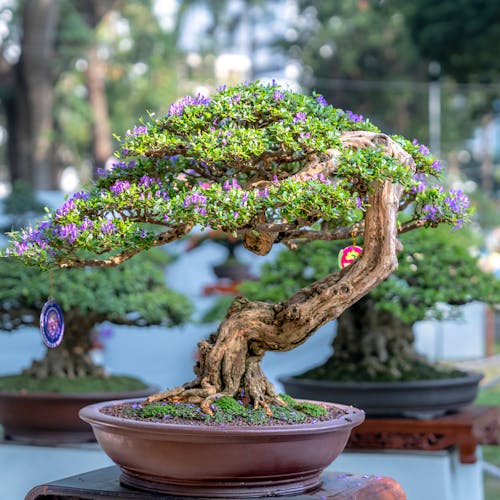
Unlike static décor, a bonsai is alive and responds to care and the seasons. New growth, leaf colour changes and the gradual refinement of branch structure make each bonsai an ongoing artistic project that develops character and history.
2. A blend of horticulture and aesthetics
3. A practice of patience and presence
4. Cultural resonance and storytelling
5. Collectability and personal legacy
6. Compact design for modern living
7. Emotional attachment and responsibility


A short history: origins and evolution
The concept of cultivating miniature landscapes began in China as penjing and later evolved in Japan into what we now call bonsai. Over centuries these practices matured into formal styles and teaching lineages. In the 20th century bonsai was popularised globally, and today it’s a diverse hobby with clubs, exhibitions and a thriving online community.

Common bonsai styles and what they express
Understanding styles helps you appreciate a bonsai’s story:
- Formal upright (Chokkan): symmetrical, dignified — embodies stability.
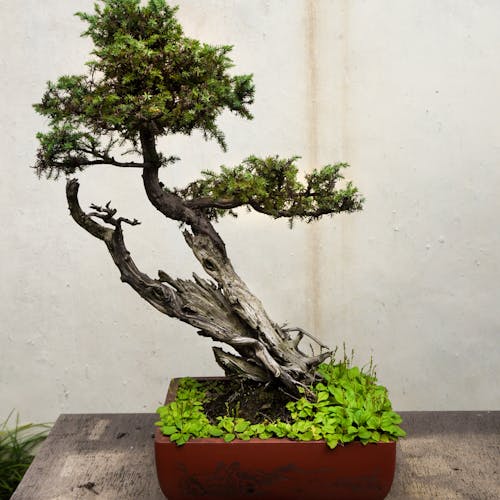
- Informal upright (Moyogi): natural curves — suggests resilience and age.
- Slanting (Shakan): trunk leaning — indicates wind-swept or uneven growth.
- Cascade (Kengai): flowing below pot rim — evokes trees clinging to cliffs.
- Windswept (Fukinagashi): all branches angled as if assaulted by wind.
- Literati (Bunjin-gi): minimalist, elegant trunk with sparse foliage — poetic and refined.
Choosing a species: match the tree to your home and skill
Species choice affects care, placement and success. Consider:
- Light needs: maples and pines typically need bright outdoor light; ficus and some tropicals cope better indoors with bright windows.
- Climate and dormancy: temperate species require a winter dormancy, so they’re best kept outdoors seasonally.
- Leaf size and scale: smaller leaves read better at bonsai scale; some species naturally produce small leaves or respond to leaf-pruning.
- Beginner-friendly species: juniper, Chinese elm and ficus are forgiving choices for newcomers.

Essential care: practical tips for healthy bonsai
Light
Watering
Soil and drainage
Feeding
Pruning and wiring
Repotting and root care
Pest and disease management
Seasonal considerations
Common beginner mistakes and how to avoid them
- Overwatering: avoid constantly wet soil — bonsai need oxygen at the roots.
- Moving frequently: sudden relocation or temperature swings can cause shock.
- Leaving wire on too long: check regularly to prevent scarring.
- Ignoring species requirements: research whether your tree is truly indoor or outdoor suited.

Buying or gifting a bonsai: practical checklist
When purchasing or selecting a bonsai as a gift, consider:
- Health: fresh, firm leaves; no extensive dieback; healthy root system visible when possible.
- Styling intent: even a young tree should indicate potential for development.
- Pot and drainage: ensure a drainage hole and quality soil.
- Care instructions: provide a clear, simple care sheet for the recipient.
- Budget vs value: older specimens cost more but aren’t always the best choice for new owners.
Why bonsai make memorable gifts

Sustainable and ethical bonsai practices
Display and styling tips
- Keep displays uncluttered to let the tree stand as the focal point.
- Choose pots and stands that complement the tree’s scale and style.
- Rotate your tree occasionally for even light exposure and a balanced form.
- Use simple accent items sparingly — a stone or small kusamono (accent plant) can help narrate the scene.

From hobby to collection: how to advance
- Learn basic styling and refinement techniques through workshops or clubs.
- Document your trees with photos and notes on changes and repotting dates.
- Study species-specific care and experiment with training gradually.
- Consider joining a bonsai society to view veteran trees and learn best practice.
Top quick projects for beginners
- Maintenance pruning on a young ficus or Chinese elm.
- Wiring a branch on a simple juniper to practise shaping.
- Repotting a nursery starter using a basic bonsai soil mix.
- Creating a small display shelf or stand to present one tree attractively.

When to consult a professional
To Sum Up
What makes a bonsai tree special is its unique combination of living form, artistic expression and the slow, mindful practice of care. Whether you want a peaceful hobby, a striking gift or a serious collecting pursuit, bonsai offer endless opportunity for creativity and connection. Start with the right species for your environment, learn the basics of watering, pruning and soil, and enjoy the gradual rewards of growing a living work of art.