What Does Bonsai Literally Mean?

Bonsai Meaning, History & Practical Guide
The word "bonsai" is small, two syllables, and widely recognised — yet its literal meaning and cultural background are often simplified or misunderstood. In this article you will find a clear, well-researched explanation of what bonsai literally means, where the word comes from, how the meaning connects to the art and practice, and why that matters for growers and collectors. You’ll also find practical notes on reading the Japanese characters, a brief history, the difference between bonsai and related traditions, and 12 frequently asked questions you can use for quick reference.


What does bonsai literally mean?
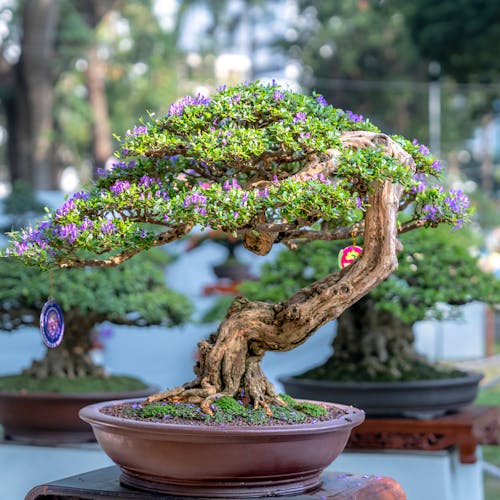
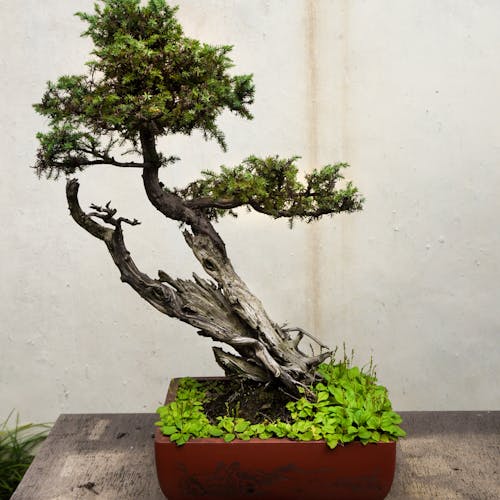
Literally translated from Japanese, bonsai (盆栽) means “planted in a shallow container” or more plainly “tray/tree.” The first character 盆 (bon) denotes a tray, shallow bowl or container; the second character 栽 (sai) means to plant, plant or cultivation. Put together, bonsai describes a plant (usually a tree) that is deliberately cultivated in a shallow vessel.

Why the literal meaning matters


The A short guide to the kanji (Japanese characters)
- 盆 (bon): This character refers to a tray, a shallow bowl or a dish. Historically it described vessels used for serving or ritual; in the horticultural term it stresses the shallow, framed container that limits root volume and contributes to the tree’s compact appearance.
- 栽 (sai): This character means to plant, to cultivate or to transplant. It carries active horticultural sense — the hands-on work of planting and training.
Combined as 盆栽 (bonsai) the phrase literally indicates “planting in a tray” or “tray cultivation.” The emphasis is on the container and the intentional cultivation that makes a full-size tree appear as a miniature.

Historical background — how the word developed
- Chinese origin: The practice of creating dwarf landscapes and potted trees predates the Japanese term. In China, miniature landscapes and potted trees were called penjing (盆景) or later penzai — early terms that used the same 盆 character for tray or basin.
- Transfer to Japan: The art and characters were adopted and adapted in Japan over centuries. Japanese Zen and aesthetic philosophies influenced the shift toward the specific styles and contemplative uses that came to be known as bonsai.
- Modern usage: From the Edo period onwards, the Japanese practice became increasingly codified and the word bonsai was standardised. In the modern era the Japanese word became international; “bonsai” is now used globally to describe the Japanese-influenced practice of container-grown miniaturised trees.
Literal meaning vs common misconceptions
- Misconception: Bonsai are separate species or genetically dwarf trees. Fact: Bonsai are normal tree species trained in containers; any woody plant that responds to pruning and root restriction can be used.
- Misconception: Bonsai means “mini tree” only. Fact: The literal idea is about planting in a shallow container; “miniature” is the visual result of technique, not the literal meaning.
- Misconception: Bonsai is only Japanese. Fact: While the word is Japanese, many cultures practise similar arts (penjing, saikei, hòn non bộ) and bonsai has become a global practice influenced by multiple traditions.

How the literal meaning connects to bonsai practice
- The container is essential: The 盆 (bon) is not incidental. Shallow pots limit root growth and water/nutrient storage, which, combined with pruning and styling, produces compact growth.
- Cultivation and technique: The 栽 (sai) implies active cultivation: pruning, wiring, root pruning, soil management and pot selection. The tree’s form is an intentional result of horticultural practice.
- Balance of nature and art: The literal meaning foregrounds the interplay between a living plant and human cultivation. The goal is a natural-looking tree shaped through mindful techniques.
Practical implications for growers
- Choose appropriate containers: A bonsai container should be shallow and sized to match the tree’s current stage, root system and intended style.
- Understand that care differs from potted houseplants: Root restriction, specialised soil mixes, regular root pruning and refined watering schedules are necessary for healthy bonsai.
- Any woody species can become bonsai: Know your species’ cold-hardiness, leaf size and growth habits when planning a bonsai.
- Long-term commitment: The literal sense “cultivation in a container” implies ongoing care — bonsai are living artworks that require continuous attention.

Bonsai and aesthetics: what the literal meaning implies about beauty and intent
- Subtlety over spectacle: The shallow container and careful cultivation aim for understated, natural-looking representations of full-size trees.
- Suggestion rather than replication: Bonsai should suggest a full-grown landscape in miniature; not every detail is rendered, but enough is shown to trigger the viewer’s imagination.
- Respect for time and provenance: Because bonsai are nurtured over years and sometimes centuries, the term conveys patience and continuity in cultivation.
Bonsai and aesthetics: what the literal meaning implies about beauty and intent
- Subtlety over spectacle: The shallow container and careful cultivation aim for understated, natural-looking representations of full-size trees.
- Suggestion rather than replication: Bonsai should suggest a full-grown landscape in miniature; not every detail is rendered, but enough is shown to trigger the viewer’s imagination.
- Respect for time and provenance: Because bonsai are nurtured over years and sometimes centuries, the term conveys patience and continuity in cultivation.

How bonsai relates to other terms and traditions
- Penjing (盆景): Chinese predecessor; penjing often uses rocks and multiple plants to form miniature landscapes. The first character 盆 is the same and indicates the basin.
- Saikei: A Japanese development influenced by penjing; saikei emphasises small landscapes with rocks and ground cover and uses underdeveloped trees.
- Hòn non bộ: Vietnamese miniature landscapes often involving water features and rocks.
- Bonsai as umbrella term: Internationally, “bonsai” is commonly used to refer to the Japanese-style practice specifically, but the root characters and concepts appear across East Asian traditions.
Common bonsai size categories (brief)
- Keshitsubo: 3–8 cm
- Shito / Mame: 5–15 cm
- Shohin: 13–20 cm
- Komono: 15–25 cm
- Chumono: 41–91 cm
- Omono / Dai and larger categories for show trees

How to use this literal meaning when buying, growing or appreciating bonsai
- When buying: Ask about the pot — is it a traditional shallow bonsai pot? Also ask about root pruning history; a healthy bonsai will be periodically repotted and root-pruned.
- When styling: Keep the container’s role in mind; its colour, shape and depth influence the composition. The pot should complement, not overpower, the tree.
- When teaching or explaining: Stress that bonsai is “cultivation in a shallow container” so newcomers understand the horticultural basis rather than thinking of bonsai as a special species.
Practical tips for beginners that follow from the literal meaning
- Start with a suitable container: Use an appropriately shallow pot for real bonsai practice; nursery pots can serve for training but move to bonsai pots as design develops.
- Learn root pruning and repotting: Since the container shapes a bonsai’s health and growth, periodic root work is essential.
- Choose species that suit your climate: Many temperate species are best outdoors; consistent indoor temperature and light are necessary for tropical species.
- Respect scale and proportion: The pot, trunk, and canopy must read as a single composition; the pot’s colour and finish should not distract.
- Think long-term: Because bonsai is cultivation in a container, plan with patience — many styles take years to develop.
To Sum Up
Bonsai literally means “planting in a shallow container” — a deceptively simple phrase that captures both the practical horticulture and the artistic intention of the practice. The container (bon) and the active cultivation (sai) together define bonsai: living trees trained to suggest mature, natural forms within the constraints of a vessel. Knowing the literal meaning helps beginners avoid misconceptions, choose appropriate techniques and appreciate why pot selection, root care and continuous cultivation are central to bonsai.