Should I Mist My Bonsai Every Day?

Expert Bonsai Humidity Guide
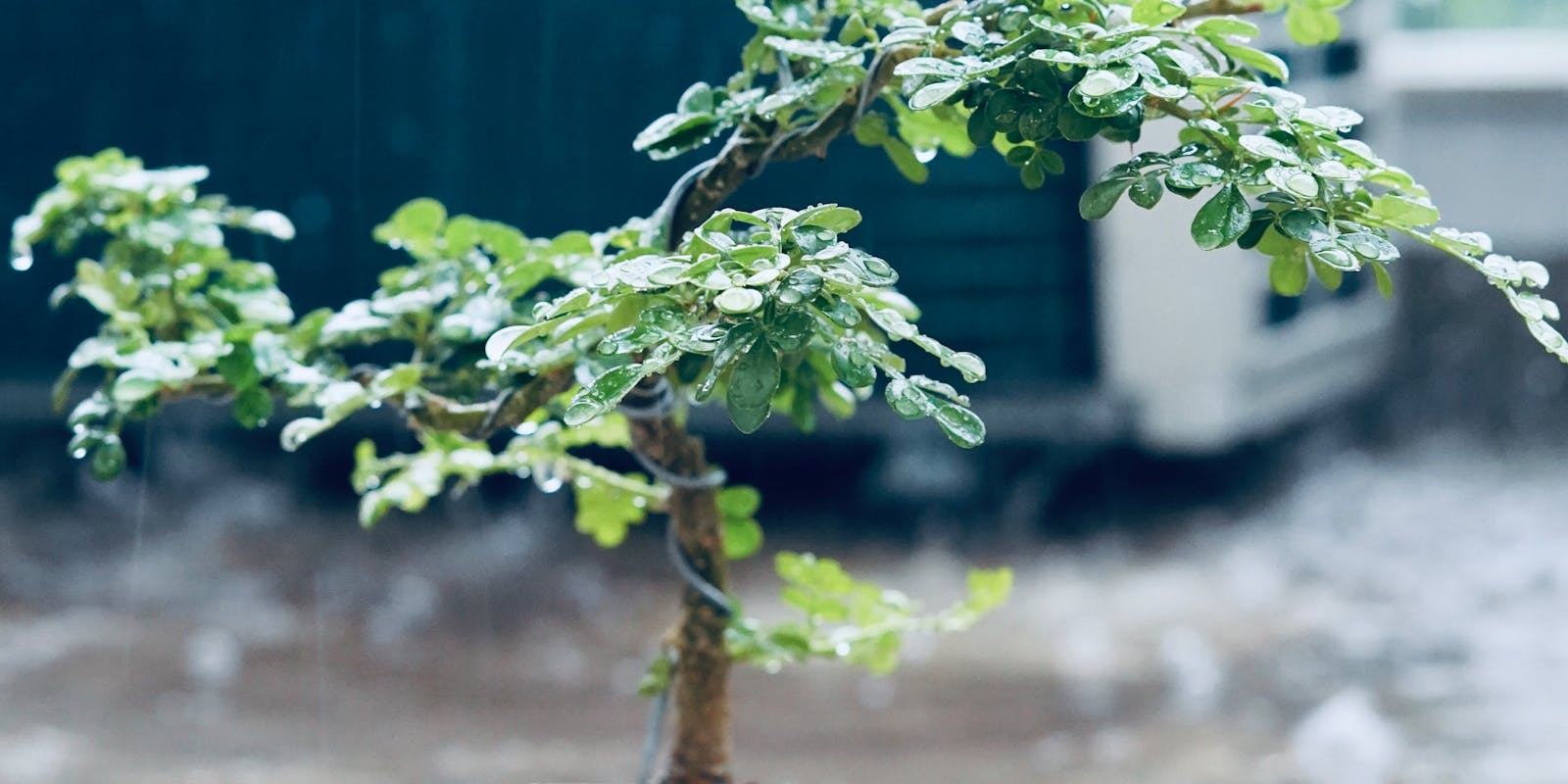
Misting is a common practice among bonsai enthusiasts and indoor plant owners. The idea of gently spraying a miniature tree with water looks caring and harmless, but the question many hobbyists ask is: should I mist my bonsai every day? The short answer is: sometimes — but not always. Whether you should mist daily depends on the species, where you keep the tree, the local climate and the reason you’re misting. This article explains when misting helps, when it can hurt, and offers practical alternatives and routines to keep your bonsai healthy.


Why humidity matters for bonsai
Bonsai are simply trees grown in small containers. Many commonly kept bonsai—particularly tropical and subtropical species—come from environments with relatively high air humidity. Leaves transpire continuously; higher humidity reduces stress, prevents leaf desiccation and helps maintain good foliage colour. Indoors, central heating and air conditioning dramatically reduce humidity, which is why many indoor bonsai develop brown leaf edges, drop leaves or suffer pest problems when air is too dry.

What misting does (and what it doesn’t)
- Clean dust from leaves, improving light absorption.
- Temporarily reduce transpiration stress on foliage.
- Make the bonsai look fresh and healthy.
Misting does not:
- Raise ambient humidity for long periods.
- Replace an appropriate humidity strategy for tropical species.
- Water the root system (unless droplets reach the soil and are absorbed).
- To boost humidity in a dry room.
- To keep leaves clean and glossy.
- Because they believe it prevents pests or wilting.
- Habit or aesthetic reasons—misted foliage looks attractive in photos.


When daily misting is useful
- Tropical/indoor bonsai in dry houses: For a ficus, jade, gardenia or other tropical bonsai kept on a dry windowsill, light daily misting can be beneficial. It gives brief relief from very dry air and helps prevent crispy leaf edges.
- Short-term during active growth or heatwaves: When the tree is actively growing and the room is unusually warm and dry, a daily mist can help reduce stress.
- To refresh foliage and remove dust when light cleaning is needed.
When daily misting can be harmful
- Fungus and rot risks: Prolonged damp leaf surfaces combined with poor air circulation can encourage fungal diseases such as powdery mildew or leaf-spot infections. Misting into the evening increases this risk because leaves stay wet longer.
- For cold-hardy/outdoor bonsai: Temperate species that need a dry dormancy phase can be harmed by unnecessary dampness during cool periods. Misting cold-hardy bonsai during autumn and winter is usually unnecessary.
- Masking underlying problems: If discoloration or leaf-drop is due to overwatering, nutrient deficiency, pests or root issues, misting won’t fix the root cause.
How to mist correctly (best practice)
- Use a fine mister: A fine spray distributes tiny droplets that evaporate quickly; avoid heavy spray that soaks leaves and soil.
- Mist in the morning: Early daylight gives leaves time to dry during the day, reducing fungal risk.
- Target foliage, not soil: Lightly mist leaves and branches; avoid flooding the pot surface unless watering.
- Don’t overdo it: Aim for 1–2 short mists in dry conditions rather than continuous spraying.
- Combine with ventilation: Good air movement prevents fungal problems; a gentle fan in a dry room can help.
Alternatives and supplements to daily misting
- Pebble trays: Place the pot on a tray with pebbles and a shallow water layer beneath (not touching the pot base). As water evaporates, it raises humidity around the tree. This method is low-maintenance and safer than prolonged leaf wetness.
- Grouping plants: Place your bonsai among other houseplants to create a microclimate with higher ambient humidity.
- Humidifiers: A room humidifier is the most effective way to maintain steady humidity for tropical bonsai indoors.
- Regular watering and proper potting medium: Well-draining, moisture-retentive bonsai soils reduce the stress caused by fluctuating moisture.
- Proper placement: Avoid direct drafts from vents and keep the tree near a bright, humid area (e.g., a kitchen window) if possible.
Species-specific guidance
- Tropical/indoor bonsai (e.g., Ficus, Brazilian rain tree, Gardenia): Benefit from increased humidity. Daily light misting is acceptable, especially if combined with pebble trays or humidifiers.
- Semi-tropical species: May tolerate occasional misting; match frequency to temperature and indoor humidity.
- Cold-hardy/outdoor bonsai (e.g., Juniper, Pine, Maple): Generally do not need misting when outdoors. In winter dormancy, avoid adding moisture that can cause fungus or root problems.

Signs you might be over-misting
- Persistent leaf wetness or mould on leaves.
- Black or brown spots (possible fungal infection).
- Soft, mushy growth or stem rot on tropical species.
- No improvement in overall plant health—suggesting another problem is present.
How often should you mist your bonsai?
A practical routine
Measure humidity: Use a hygrometer near your bonsai. Aim for:
- Tropical bonsai: 50–70% relative humidity where possible.
- Temperate/cold-hardy: Normal indoor humidity (30–50%) is fine when kept indoors; outdoors they rely on ambient conditions.
- Dry heated home (tropical bonsai): Morning mist + evening check; pebble tray + room humidifier to maintain humidity all day.
- Moderate indoor humidity: Mist 2–3 times per week and use a pebble tray.
- Outdoors: Generally no misting required. Water soil when needed and rely on ambient humidity and rain.
- Increase misting and humidity support in winter for tropical species when central heating is on. Reduce in summer if you place trees outside where ambient humidity is higher.

Misting and pest control
Misting tools and products
- Fine mist spray bottles: Choose adjustable nozzles that deliver a fine mist.
- Humidifier: A small ultrasonic humidifier can maintain steady humidity in a room.
- Pebble trays: Cheap and effective—ensure water never reaches the pot’s base.
- Hygrometer: Essential for measuring actual humidity rather than guessing.
Practical tips and troubleshooting
- Don’t confuse misting with watering: Misting is not a substitute for root watering. Always water the soil appropriately—submersion or thorough watering until drainage occurs—then consider misting for humidity.
- Clean leaves gently: Use a soft brush or cloth for delicate foliage rather than constant misting, which may compact dust into crevices.
- Adjust based on observation: If leaves develop brown tips, check watering, humidity, fertiliser and light—misting alone may not solve the problem.
- Repotting and health: Newly repotted or stressed trees should not be over-misted; they need stable conditions and careful watering as roots recover.
To Sum Up
Should you mist your bonsai every day? It depends. For many tropical indoor bonsai in dry homes, light daily misting can help but is best used alongside pebble trays, humidifiers and good air circulation. For cold‑hardy outdoor species, regular misting is unnecessary and can be harmful, especially in cooler months. The most important rule is to observe your tree: measure humidity, watch foliage closely and adjust care to your species and environment. Misting is a useful tool in your bonsai care kit—but it isn’t a cure-all.