Ultimate Guide to Indoor Bonsai Care
Learn how to care for indoor bonsai with clear guidance on watering, light, pruning, and placement. A complete indoor bonsai care guide for beginners and enthusiasts.
Find Your Perfect Miniature Masterpiece
Practical advice to help indoor bonsai thrive
Indoor bonsai bring the beauty of nature into the home, offering calm and character in even the smallest spaces. Caring for an indoor bonsai is straightforward when you understand its basic needs for light, water, and attention. This guide covers everything you need to keep your bonsai healthy, balanced, and growing well indoors.
This guide covers the essentials of caring for indoor bonsai at home. From choosing the right position and setting a simple watering routine to understanding light, temperature, and humidity, it explains how to keep bonsai healthy indoors. Whether you’re new to bonsai or building on existing experience, you’ll find clear guidance to help your trees grow well and become a lasting feature in your living space.
Choosing the Right Location for Indoor Bonsai
Choosing the right location is essential when caring for indoor bonsai. Light and temperature play a major role in keeping your tree healthy and growing well, so it’s worth getting these basics right from the start.
Light for Indoor Bonsai
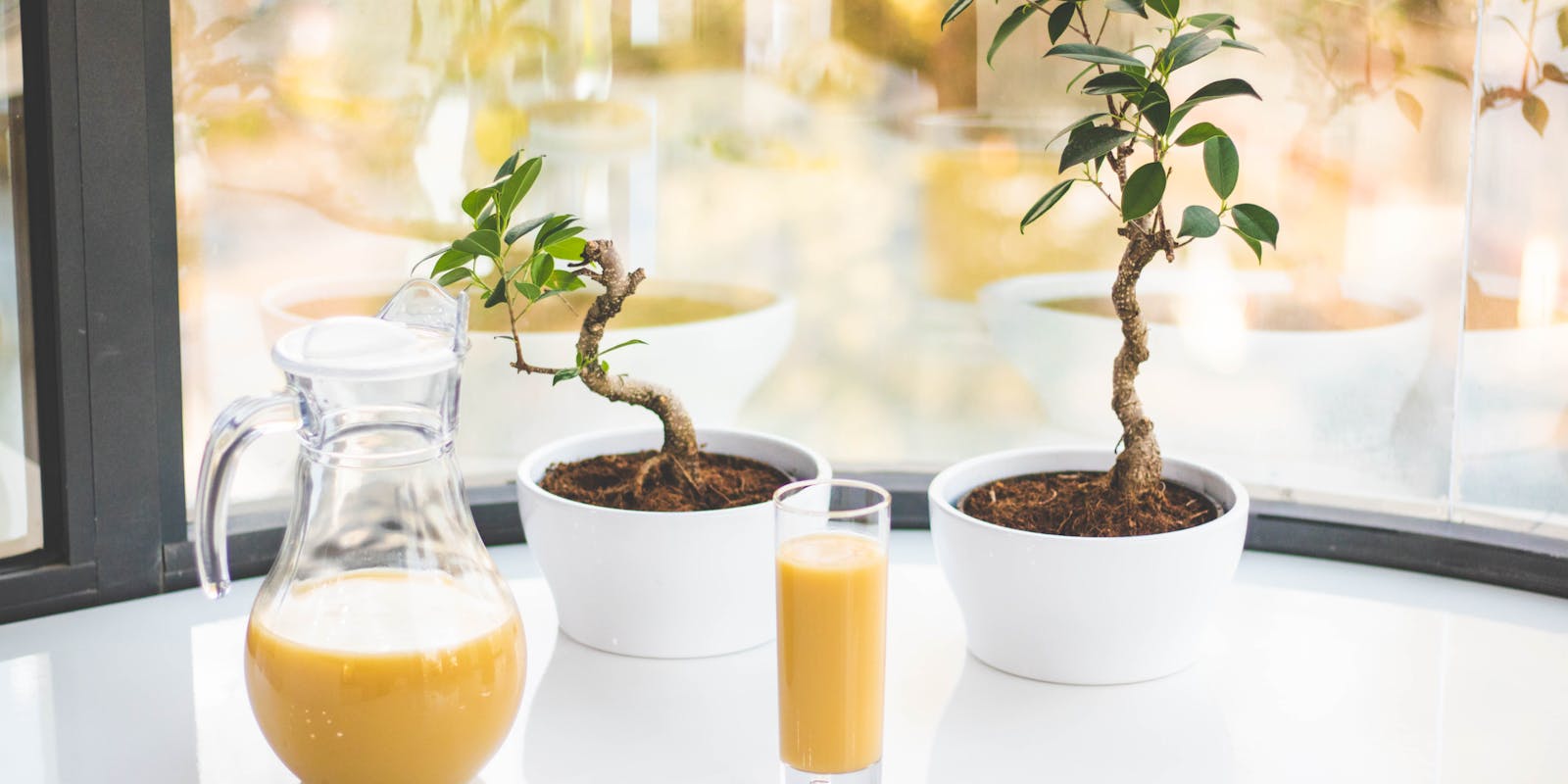
Light is one of the most important factors in indoor bonsai care. Most species need plenty of light, ideally around six to eight hours of bright, indirect sunlight each day. A south‑facing window often provides the most consistent exposure. If natural light is limited, a plant grow light can help ensure your bonsai receives enough light to stay vigorous.
Temperature for Indoor Bonsai
Temperature is equally important. Most indoor bonsai prefer daytime temperatures between 15–25°C, with slightly cooler conditions at night. Avoid placing your tree near draughty windows, radiators, or air‑conditioning vents, as sudden temperature changes can cause stress.
When choosing a spot, observe how light moves through your home and check that temperatures remain stable. By managing these conditions carefully, you’ll create an environment in which your indoor bonsai can thrive and bring a sense of calm and natural beauty to your space year‑round.

Watering and Humidity for Indoor Bonsai
Watering and humidity are central to keeping indoor bonsai healthy and looking their best. The key is finding the right balance, as both overwatering and underwatering can cause problems. Too much water can lead to root rot, while too little can dry the tree out and weaken it.
Watering Indoor Bonsai
Check soil moisture regularly before watering. Insert your finger into the soil to about knuckle depth. If it feels damp, wait. If it feels dry, it’s time to water. Use a watering can with a fine rose and water gently until it begins to drain from the base of the pot. Always empty any standing water from saucers, as sitting in water can suffocate the roots.
Humidity for Indoor Bonsai
Humidity is equally important, as indoor air is often dry, particularly in winter. A humidity tray filled with pebbles and water can help raise moisture levels as the water evaporates around the tree. Light misting of the foliage can also be useful, especially if your bonsai is near heating or cooling vents.
Bear in mind that different species have slightly different needs, so it’s worth checking the specific requirements of your tree. With regular observation and careful watering, your indoor bonsai will remain healthy and rewarding to care for.
Feeding and Fertilising Indoor Bonsai
Providing the right balance of nutrients is essential for keeping indoor bonsai healthy and growing well. Like all plants, bonsai need regular feeding to support root development, steady growth, and strong foliage.
Feeding Indoor Bonsai
Use a fertiliser made specifically for bonsai, as these offer the correct balance of nutrients. Most contain nitrogen, phosphorus, and potassium, which together support leaf growth, root strength, and overall vitality. Apply fertiliser every two to four weeks during the growing season, and reduce or stop feeding during winter when growth naturally slows.
Avoid over‑fertilising, as excess nutrients can build up in the soil and damage roots. Signs of nutrient issues include yellowing leaves, weak growth, or a general lack of vigour. If this happens, review your feeding schedule or adjust the type of fertiliser you’re using.
Soil also plays an important role in nutrient uptake. Well‑draining, bonsai‑specific soil helps roots absorb nutrients effectively. Repotting every few years refreshes the soil and supports long‑term health. With steady feeding and careful observation, your indoor bonsai will remain strong, balanced, and rewarding to care for.

Pruning and Training Indoor Bonsai for Shape and Balance
Pruning and training are key to maintaining the shape, balance, and health of indoor bonsai. These techniques help control size, encourage clean structure, and improve the overall appearance of the tree over time.
Pruning Indoor Bonsai
Pruning involves carefully removing selected branches or leaves to maintain form and stimulate new growth. Regular, light pruning improves airflow, strengthens branch structure, and keeps the bonsai in proportion. Always use clean, sharp tools to make precise cuts and minimise stress on the tree.
Training Indoor Bonsai
Training techniques such as wiring allow you to guide branch growth and create a balanced, natural shape. Wire should be applied gently and checked regularly to avoid marking or damaging the bark. As branches set into position, the wire can be removed.
Each bonsai species grows differently, so it’s important to adjust your approach accordingly. With patience and regular care, pruning and training turn indoor bonsai into refined, living features that bring calm and structure to your space.
Common Pests and Diseases in Indoor Bonsai
Indoor bonsai care goes beyond watering and pruning. To keep your tree healthy over the long term, it’s important to protect it from common pests and diseases, which can quickly weaken a bonsai if left untreated.
Know Your Enemy
Start by familiarising yourself with the most common issues. Indoor bonsai are often affected by pests such as spider mites, aphids, scale insects, and mealybugs, all of which feed on sap and can cause poor growth and damaged leaves. Fungal problems, root rot, and powdery mildew can also develop, particularly in damp or poorly ventilated conditions.
Regular Inspections
Regular inspection is the best defence. Check leaves, stems, and soil frequently for discolouration, spotting, sticky residue, or unusual growth. Early detection makes treatment far more effective.
Opt for Preventive Measures
Preventive care plays a key role in avoiding problems. Ensure good air circulation, avoid overwatering, and maintain balanced humidity. Healthy bonsai are naturally more resistant to pests and disease.
Natural Remedies
If treatment is needed, natural solutions are often effective. Neem oil and insecticidal soap can control most pests, while mild antifungal treatments help limit fungal spread. If a tree becomes affected, isolate it from other plants and treat promptly to prevent further issues.
By staying attentive and acting early, you can protect your indoor bonsai and ensure it remains strong, vibrant, and visually appealing for years to come.
Conclusion
Caring for indoor bonsai takes attention, patience, and an understanding of the tree’s basic needs. By managing light, temperature, humidity, watering, and feeding, you can create a stable environment that supports healthy growth. With consistent care and regular observation, indoor bonsai can thrive and become a calm, eye‑catching feature in your home. Whether you’re new to bonsai or refining your skills, nurturing these miniature trees is a rewarding practice that brings lasting beauty and a sense of connection to nature.
Bonsaii : Premium, Ethically Grown Bonsai Trees & Gifts
Small trees, lasting beauty
REGULARLY ASKED QUESTIONS
Frequently Asked Questions
We have put together some commonly asked questions
What is an indoor bonsai?
An indoor bonsai is a tree species suited to living indoors, grown and trained in a pot to remain small and balanced.
Which bonsai species are best for indoors?
Popular indoor species include Ficus, Chinese Elm, Jade, and Carmona, as they adapt well to indoor conditions.
How much light does an indoor bonsai need?
Most indoor bonsai need bright, indirect light for several hours each day, ideally near a well‑lit window.
Can indoor bonsai survive in low light?
Low light can weaken bonsai over time. If natural light is limited, a grow light can help support healthy growth.
How often should I water my indoor bonsai?
Water when the top layer of soil begins to dry. Frequency varies depending on species, pot size, and indoor conditions.
Should I mist my indoor bonsai?
Light misting can help improve humidity, especially in dry indoor environments, but it should not replace proper watering.
Join the journey
Sign up for a newsletter worth reading