Do Bonsai Need Direct Sunlight?

A Practical Guide to Bonsai Light Requirements
Growing a bonsai is a rewarding blend of horticulture and art. One of the most common questions for new and experienced growers alike is how much sunlight a bonsai really needs and whether direct sun is helpful or harmful. This guide unpicks the science and practicalities behind bonsai light requirements, giving clear, species-specific advice and easy steps you can apply at home to keep your trees healthy and attractive.


Why light matters for bonsai
Light is the primary energy source for photosynthesis, the process that powers growth, root development and overall health in bonsai as it does in all plants. For bonsai, appropriate light also influences leaf size, internode length (the spacing between leaves), flowering and hardiness. Because bonsai are grown in confined pots with limited root volume, their capacity to handle stress from improper light is reduced — so it’s important to get light conditions right.

Direct sunlight vs bright, indirect light: what’s the difference?


General light guidelines for bonsai
Aim for around 4–6 hours of bright, indirect light daily for most species. This is a useful baseline but not a rigid rule.
- Morning sun (east-facing) is typically gentler and better tolerated than afternoon sun (west-facing).
- South-facing windows are brightest in the northern hemisphere and can be excellent if the light is diffused or the tree is placed a short distance from the glass to reduce intensity.
- Avoid prolonged direct midday sun in summer for sensitive deciduous and tropical species; provide dappled shade or move them to an area with filtered light.
Species-specific tendencies
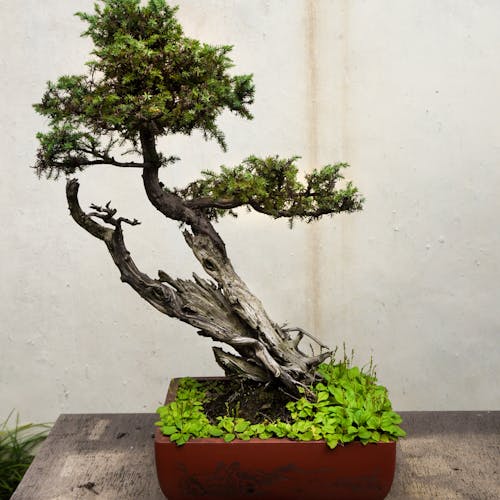
- Juniper (Juniperus spp.): Prefers full sun if grown outdoors. Junipers are hardy and tolerate several hours of direct sunlight daily; they benefit from strong light for compact growth and healthy foliage. Avoid leaving them in a greenhouse with intense reflection that increases heat stress.
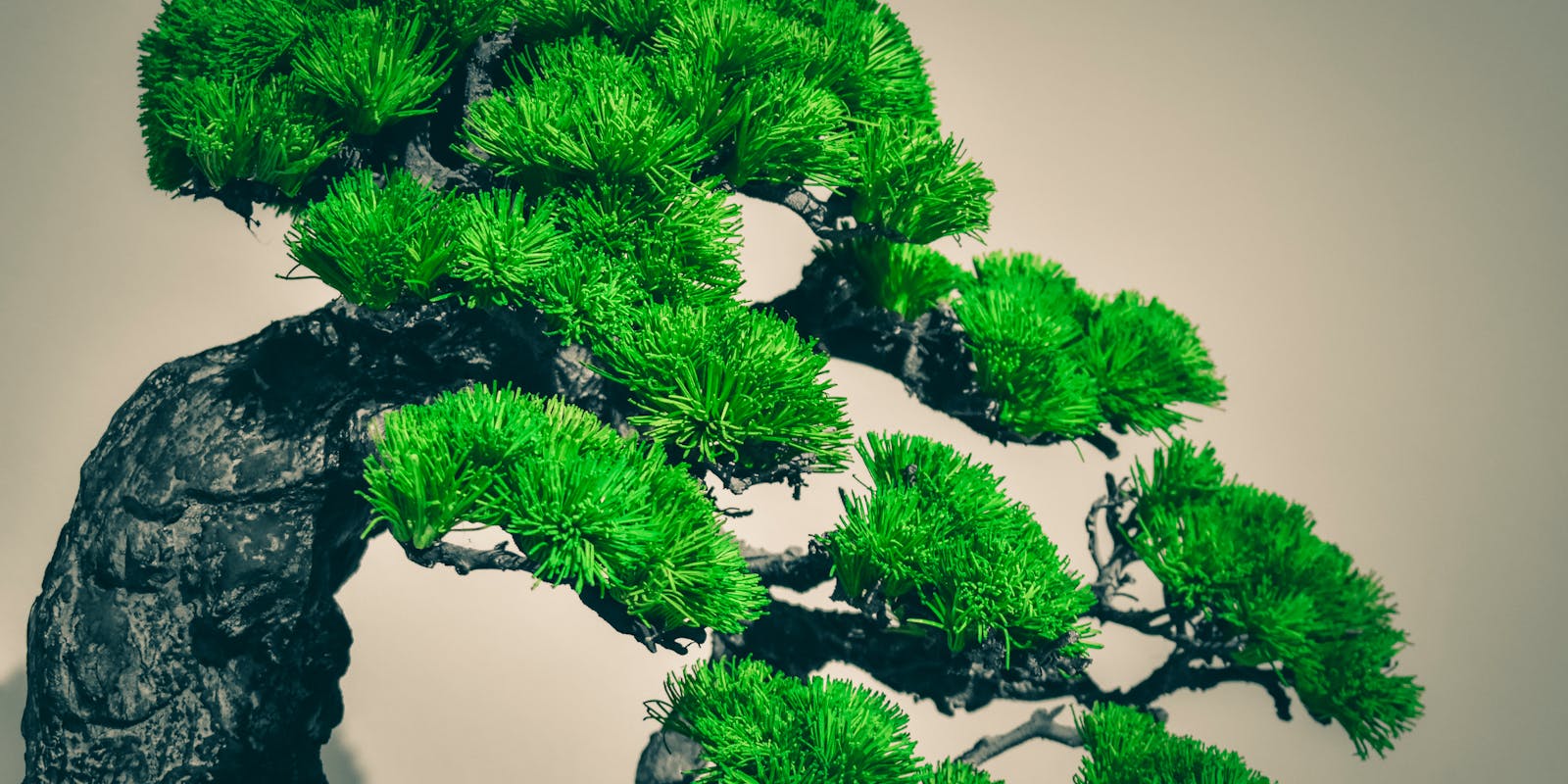
- Pine (Pinus spp.): Enjoys full sun and is generally one of the most sun-tolerant bonsai species. Pines develop denser foliage and sturdier trunks with good direct light.
- Chinese Elm (Ulmus parvifolia): Adaptable — can be grown indoors or outdoors. Chinese elms tolerate bright, indirect light and can handle some direct morning or late-afternoon sun. In hotter climates, protect from harsh midday rays.
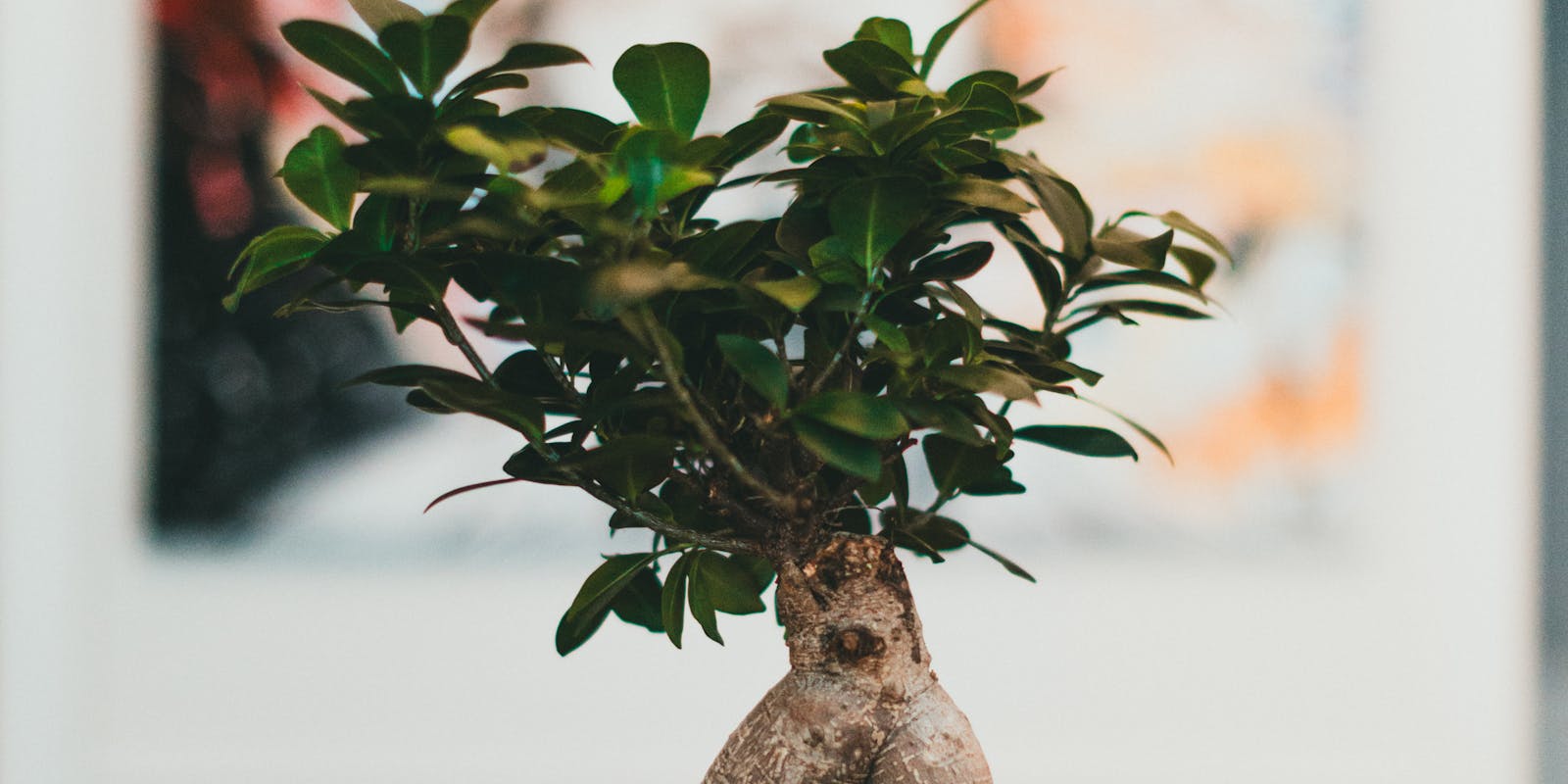
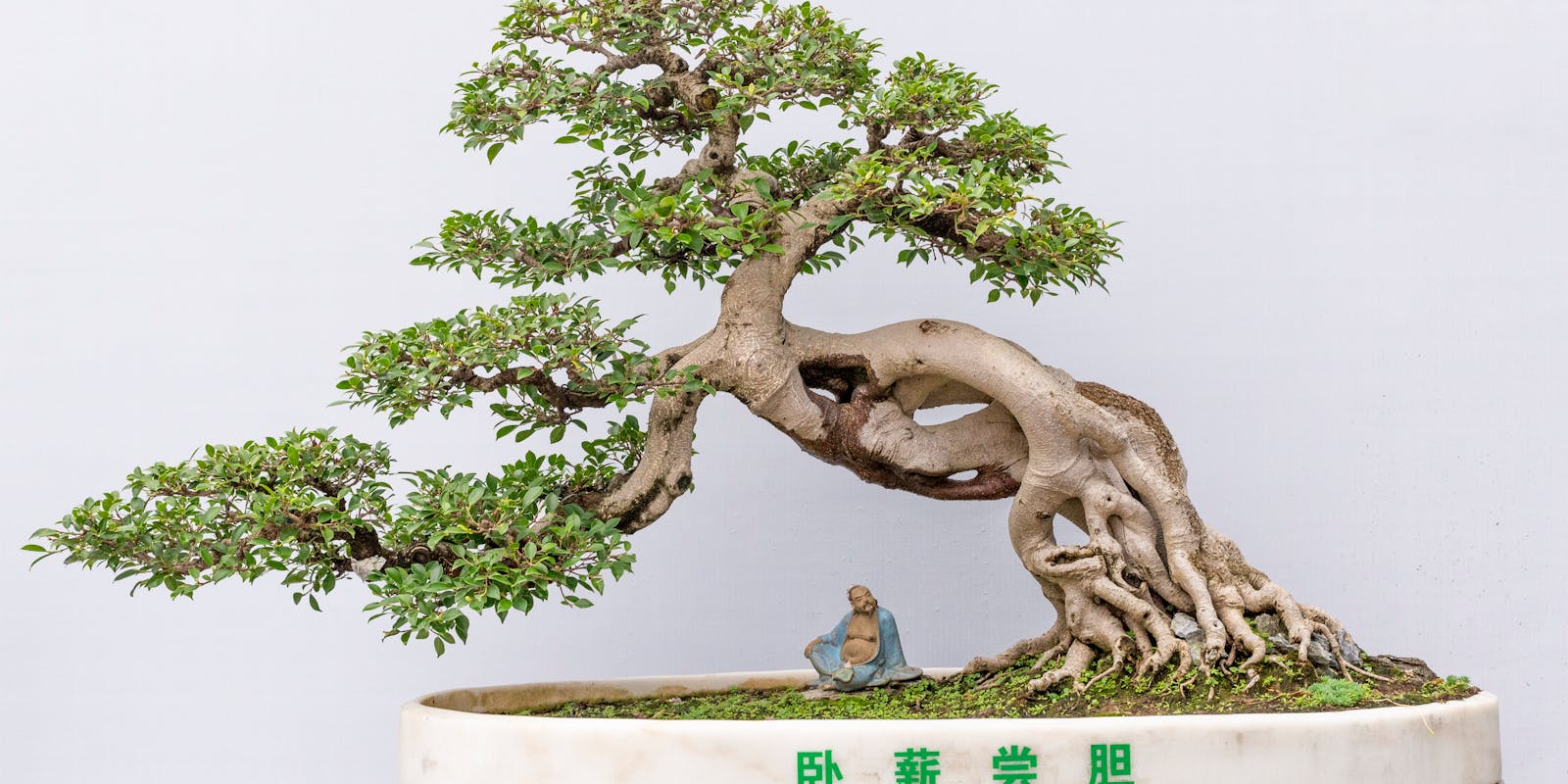
- Ficus (Ficus spp.): Often used as an indoor bonsai. Ficus tolerates bright, indirect light well and can take some direct morning sun. They’ll need supplemental artificial light in low-light interiors.
- Maples (Acer spp.): Prefer bright, indirect light and are susceptible to leaf scorch in strong afternoon sun, especially in summer. Dappled shade is ideal.
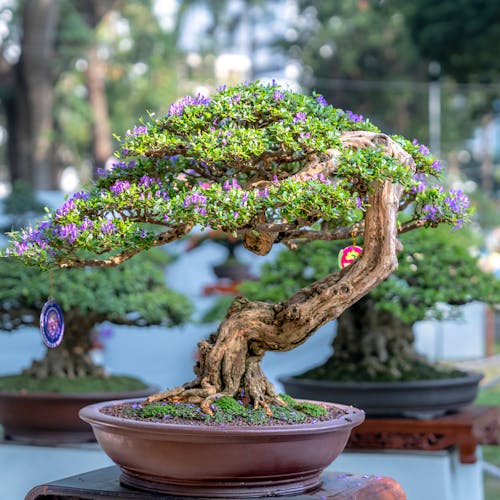
- Azalea (Rhododendron spp.): Enjoy morning sun and afternoon shade; too much direct sun can burn flowers and leaves.
Indoor vs outdoor bonsai: key differences
- Intensity: Light entering through windows is reduced; indoor bonsai often need to be placed very close to a bright window or supplemented with grow lights. Double-glazed modern windows cut light intensity significantly.
- Duration: Indoor lighting cycles can be inconsistent with the outdoors. Plants benefit from consistent day-lengths; consider a timer for artificial lights.
- Heat: Windows can create hotspots; glass can magnify heat in some conditions causing localised scorch. Conversely, windows also create cooler shadows during winter.
- Airflow and humidity: Outdoor trees get better airflow and natural humidity cycles; indoor bonsai may suffer from low humidity which interacts with light stress and increases transpiration.

Seasonal adjustments
- Spring and autumn: Mild temperatures coupled with ample light make these ideal times for positioning bonsai outdoors (for indoor-capable species) or increasing their exposure. Gradually increase direct sun if moving outdoors after winter (hardening off) to prevent shock.
- Summer: Reduce exposure to intense midday sun. Use shade cloth, place trees under dappled canopy, or move pots to a cooler, bright area during peak heat.
- Winter: Days are shorter and sunlight is weaker. Many species need extra light indoors in winter; use full-spectrum LED grow lights to supplement daylight, especially for tropical and subtropical species kept indoors.
How to assess your bonsai’s light needs
- Observe growth patterns: Leggy or elongated shoots (etiolation) indicate insufficient light. Small, sparse leaves or pale colour may also show low light stress.
- Watch for leaf scorch: Brown or crisp edges signal too much direct sun or heat stress.
- Check seasonal behaviour: If a deciduous bonsai delays leafing out or produces fewer leaves, light (and temperature) could be limiting factors.
- Use a light meter or smartphone lux app: Measure light levels in different positions. Bright, indirect indoor light might range from 1,000–5,000 lux; direct sun often exceeds 20,000 lux.

Practical positioning tips
- East-facing window: Ideal for many species; offers gentle morning sun.
- West-facing window: Good for species that tolerate stronger sun but be cautious in summer afternoons.
- South-facing window (northern hemisphere): Very bright; place a small distance from the glass or use sheer curtains to diffuse intense rays.
- Move pots around seasonally: Track changes in light through the year and adjust accordingly.
- Use shade cloth outdoors: A 30–50% shade cloth during peak summer can prevent scorching while still providing plenty of light.
Using grow lights for indoor bonsai
- Choose full-spectrum LED grow lights for energy efficiency and colour balance.
- Position lights 30–60 cm above the canopy, adjusting height to prevent hotspots.
- Provide 10–14 hours of light per day for many tropical indoor species; adjust based on species and season.
- Use a timer for consistent day/night cycles and healthier, predictable growth.
Watering, fertilising and light — the interaction
Common problems caused by improper light — and fixes
- Problem: Leathery, brown leaf edges (scorch). Fix: Move to a position with less direct sun or provide afternoon shade; increase watering frequency briefly and mist the foliage if humidity is low.
- Problem: Long internodes and sparse leaves (etiolation). Fix: Move to a brighter spot or add supplemental grow light and prune back elongated growth to encourage denser branching.
- Problem: Leaf drop after moving indoors. Fix: Acclimatise gradually to lower light; avoid sudden changes and provide supplemental light to reduce shock.
- Problem: Sunburn on trunk or exposed roots. Fix: Provide dappled shade during midday sun and ensure the soil surface is kept slightly moist; avoid reflective surfaces that intensify light.
How to safely transition your bonsai between light conditions
- Harden off slowly: Over 1–2 weeks, increase the plant’s exposure to outdoor light if it has been indoors all winter. Start with a few hours of morning sun and gradually extend exposure.
- Reverse process for bringing trees indoors: Reduce outdoor exposure gradually, especially in autumn, and ensure indoor light is adequate to prevent shock.
- Monitor daily: Look for wilting, leaf burn or yellowing and adjust placement promptly.
Practical daily-care checklist for light management
- Check preferred spot each morning for bright, indirect sun.
- Rotate the pot weekly to maintain even growth on all sides.
- Monitor leaf colour and internode length for signs of light stress.
- Use shade cloth or move under canopy during summer heatwaves.
- Consider a basic lux measurement with a smartphone app to compare positions.
Tips for specific beginner-friendly species
- Ficus: Bright, indirect light near an east or south-east window; supplement with LED light in winter.
- Chinese Elm: Versatile — bright window with morning sun, but protect from hot afternoon sun.
- Juniper: Outdoor full sun preferred; ensure good airflow and avoid reflective surfaces that intensify heat.
- Japanese Maple: Dappled or filtered light; protect from strong afternoon sun in summer.
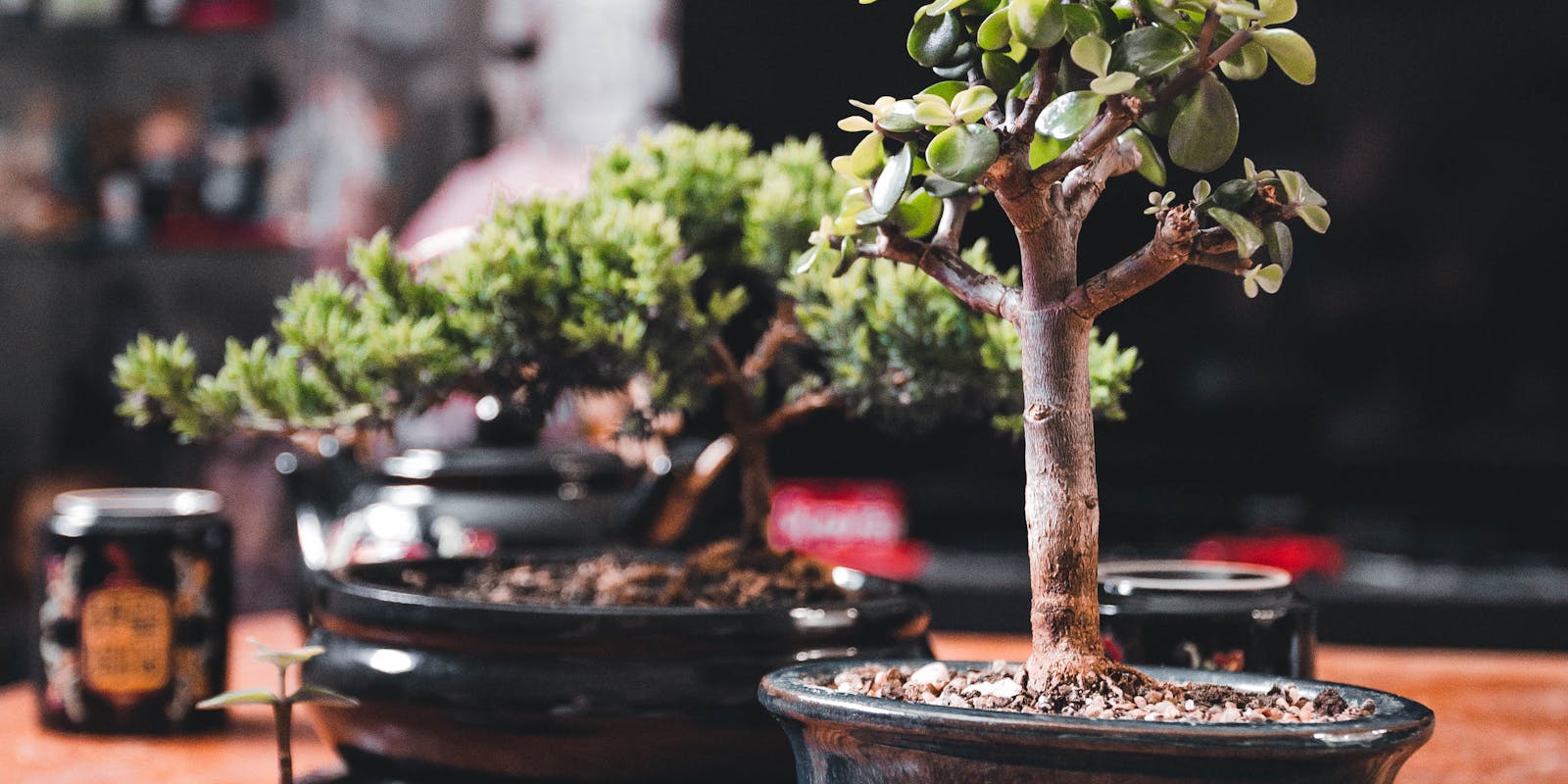
- Jade (Crassula ovata if used as bonsai): High light requirements; tolerates direct sun but can burn in extreme heat — gradually acclimatise.
Final thoughts
There’s no one-size-fits-all rule for bonsai and direct sunlight. While many outdoor species thrive with several hours of direct sun, most bonsai benefit most from bright, indirect light, with direct morning or late afternoon sun being ideal. The key is observation: pay attention to leaf health, growth habit and seasonal variations, and adjust position, shading and supplemental lighting accordingly. With regular monitoring and small seasonal tweaks, you can provide the light conditions your bonsai needs to flourish.